

How To Say No Without Guilt
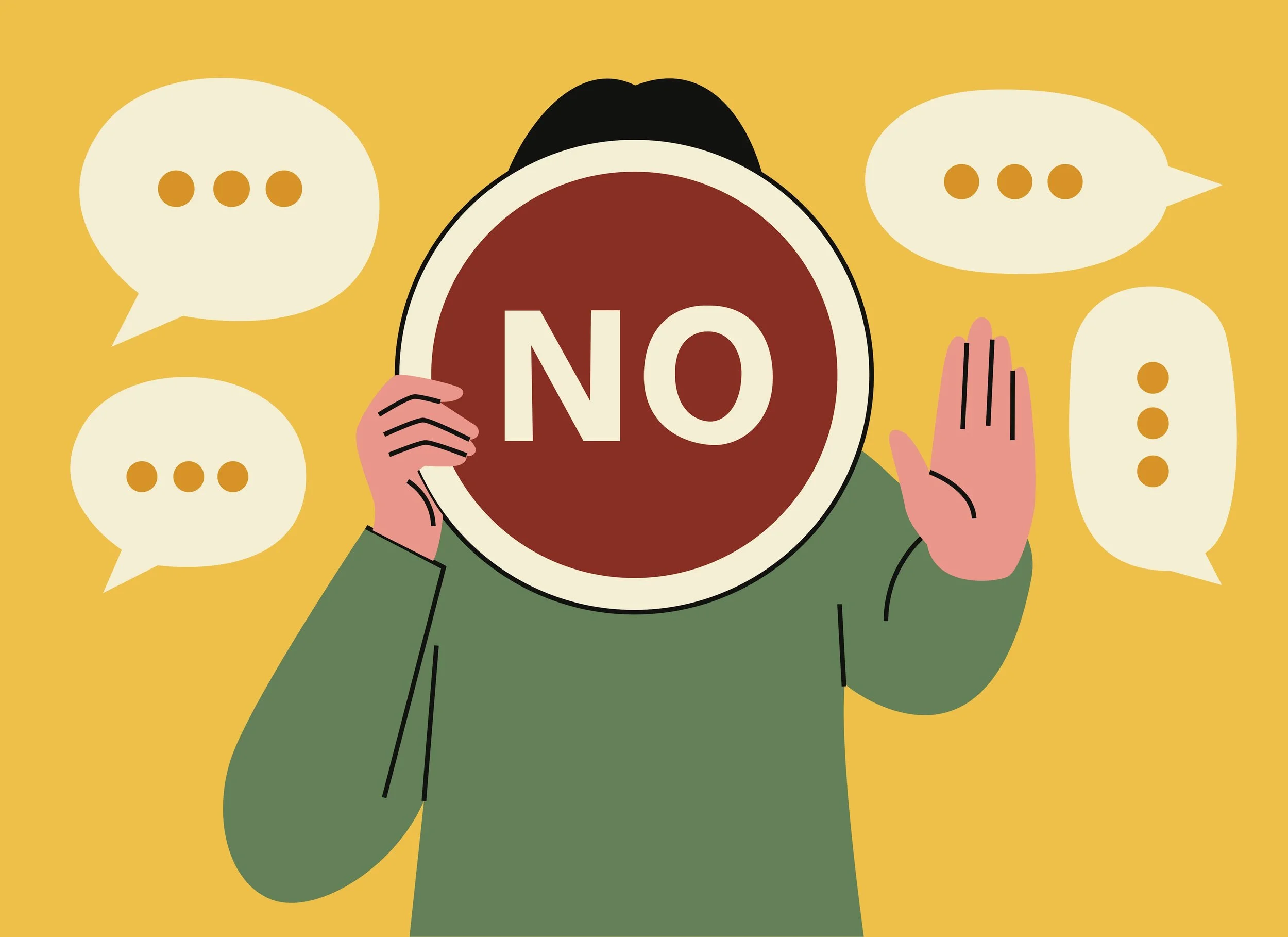
Saying no doesn’t make you selfish. It makes you honest about what you have the capacity to give.
For many of us, saying yes feels easier. We say yes because we don’t want to disappoint someone, create tension, miss an opportunity, or be seen as difficult. Sometimes we agree before we’ve even had a chance to ask ourselves whether we actually want to.
The problem is that every yes costs something. It takes time, energy, attention, or emotional capacity. When you consistently say yes to things you don’t have room for, you eventually start saying no to the things that matter most to you.
If you feel guilty when you set a boundary, it doesn’t necessarily mean you’re doing something wrong. It may simply mean you’re doing something you’re not used to. Learning to tolerate that discomfort is part of learning to protect your time and energy.
Here’s how to say no without letting guilt make the decision for you.
Step 1: Give yourself time before you answer
You don’t have to respond immediately every time someone asks something of you. One of the easiest ways to end up overcommitted is to say yes before you’ve considered what that yes actually requires. Give yourself permission to pause. Check your schedule, think about your priorities, and ask yourself whether you genuinely have the capacity. A simple “Let me think about it and get back to you” creates enough space to make an intentional decision instead of an automatic one.
Step 2: Remember what you’re saying yes to
A no is rarely just a rejection. It is often a yes to something else. Saying no to another commitment might mean saying yes to time with your family, your health, your work, rest, or simply having enough space in your life to think. When guilt shows up, remind yourself what your boundary is protecting. You aren’t choosing between being generous and being selfish. You’re deciding where your limited time and energy can be used most meaningfully.
Step 3: Stop overexplaining
When we feel guilty about saying no, we often try to make the other person agree with our decision. We give long explanations, list every reason we can’t do something, or leave the door open when we really want to close it. You don’t need to build a case for your boundary. You can be kind and clear at the same time. A thoughtful “I can’t commit to that right now” is enough. The more comfortable you become with your own decision, the less you’ll feel the need to convince someone else that it’s reasonable.
Step 4: Let people have their reactions
One of the hardest parts of setting boundaries is accepting that someone else might not like them. They may be disappointed. They may wish you had said yes. That doesn’t automatically mean you made the wrong choice. You can care about how someone feels without making yourself responsible for preventing every uncomfortable emotion they experience. Healthy relationships have room for honesty, boundaries, and occasional disappointment.
Step 5: Pay attention to how your no feels later
Guilt is often strongest in the moment, which can make saying yes feel like the easiest way to make it disappear. But pay attention to what happens afterward. Do you feel relieved when you protect your time? Do you feel resentful when you agree to something you didn’t want to do? Those feelings are useful information. Over time, you begin to recognize that the temporary discomfort of saying no is often much easier to carry than the frustration of repeatedly abandoning your own needs.
Learning to say no isn’t about becoming less generous. It’s about becoming more intentional with what you give. When your yes comes from genuine willingness instead of guilt, obligation, or fear, it becomes more meaningful.
You may still feel uncomfortable sometimes. That’s okay. The goal isn’t to never feel guilty. It’s to stop letting guilt decide what you do.
Because sometimes the no that feels uncomfortable today is what creates space for what’s possible tomorrow.