

How To Stay Grateful
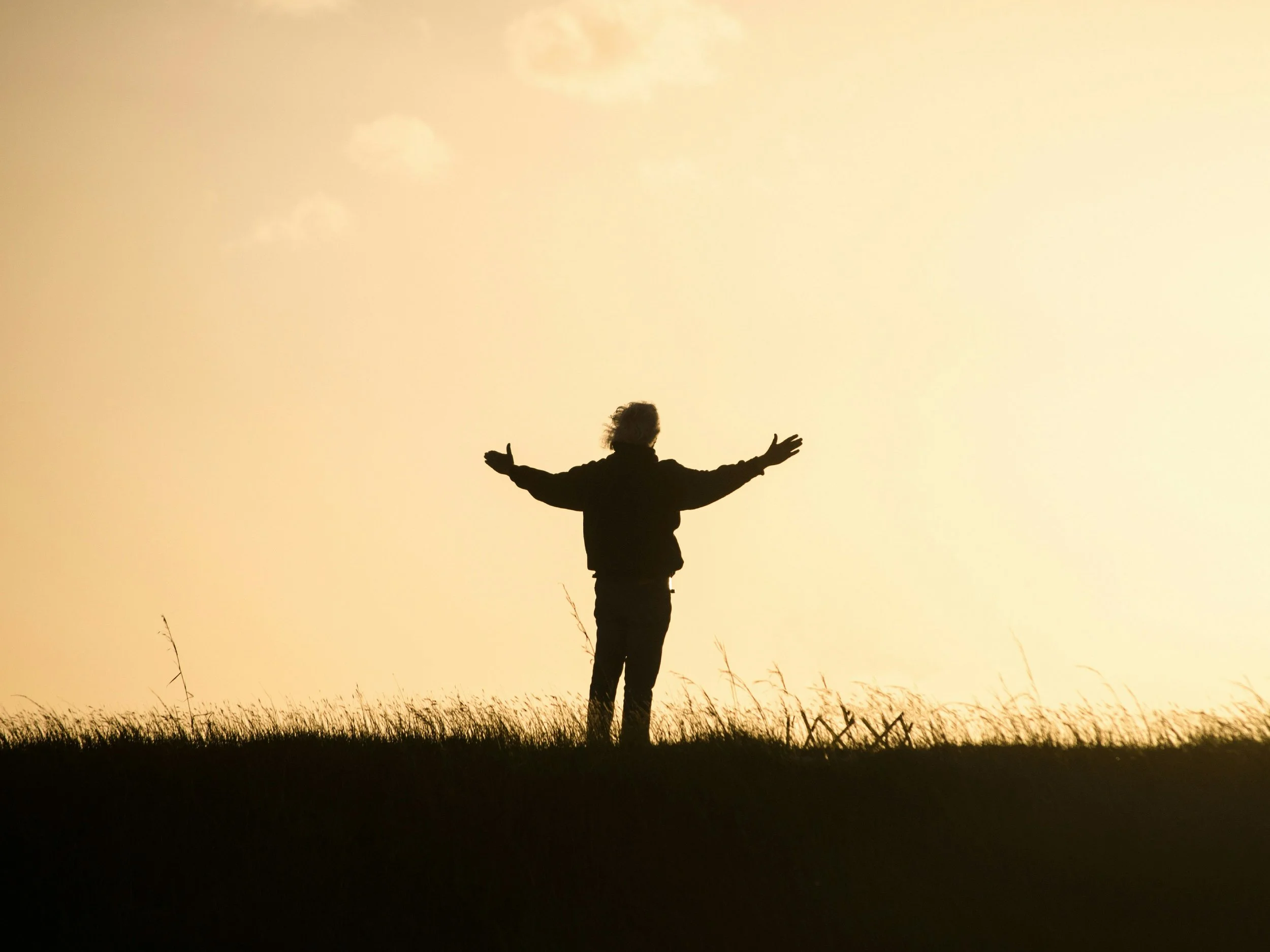
Gratitude isn’t something you feel when everything is perfect. It’s something you practice when it’s not.
It’s easy to feel grateful when things are going your way. When life feels smooth. When progress is obvious. When people show up the way you hoped they would.
The real challenge is staying grateful when things are uncertain. When you’re in between results. When something didn’t work out. When you’re carrying more than you expected.
That’s where gratitude stops being a reaction and becomes a choice.
If you’ve been feeling frustrated, stuck, or focused on what’s missing, it doesn’t mean something is wrong with you. It means your attention has drifted away from what’s still here.
Here’s how to stay grateful, even when life isn’t perfect.
Step 1: Shift your focus from what’s missing to what’s present
Your mind is constantly scanning for what’s wrong. It’s trying to solve, fix, and improve, which can be useful, but if left unchecked, it creates a constant feeling that something isn’t enough. Gratitude begins when you intentionally notice what’s already here. The conversation you needed, the small win you almost overlooked, or simply the fact that you’re still in the game, still learning, still moving. What you focus on expands, so train your attention to include what’s working.
Step 2: Separate your expectations from your reality
A lot of frustration doesn’t come from what’s happening. It comes from the gap between what you expected and what actually is. You thought you’d be further along, you thought it would feel easier, or you thought people would respond differently. Gratitude grows when you release the timeline you imagined and meet your life where it is. Not as resignation, but as awareness, because you can’t appreciate a moment you’re constantly comparing to a different one.
Step 3: Practice gratitude in real time, not just in reflection
Most people wait until something is over to appreciate it. They look back and realize it mattered, or they miss it once it’s gone. Gratitude becomes more powerful when you practice it while you’re in it. In the middle of the conversation, in the middle of the work, in the middle of the ordinary moments that make up your life. You don’t need a big reason; you just need to notice.
Step 4: Let gratitude ground you, not limit you
Being grateful doesn’t mean you stop wanting more. It doesn’t mean you ignore your goals or settle for less than what’s possible. It means you stop approaching your life from a place of lack. You can be deeply grateful for where you are and still committed to where you’re going. Gratitude gives you stability, and from that place, growth becomes more intentional and less desperate.
Step 5: Return to gratitude when your perspective slips
You won’t feel grateful all the time. There will be days when frustration is louder, when comparison creeps in, or when things feel heavier than they should. That’s not failure, that’s being human. The practice is in the return. Pause, look around, and find one thing that is steady, one thing that is working, one thing that you can appreciate right now. Gratitude doesn’t need to be big to be real.
Staying grateful isn’t about ignoring what’s hard. It’s about refusing to let what’s hard be the only thing you see. When you can hold both, what’s challenging and what’s still good, something shifts. You become more grounded, more present, and more open to what’s possible next. And from that place, life doesn’t just feel better. It becomes something you’re actually connected to.